

Ginkgo biloba & Var.
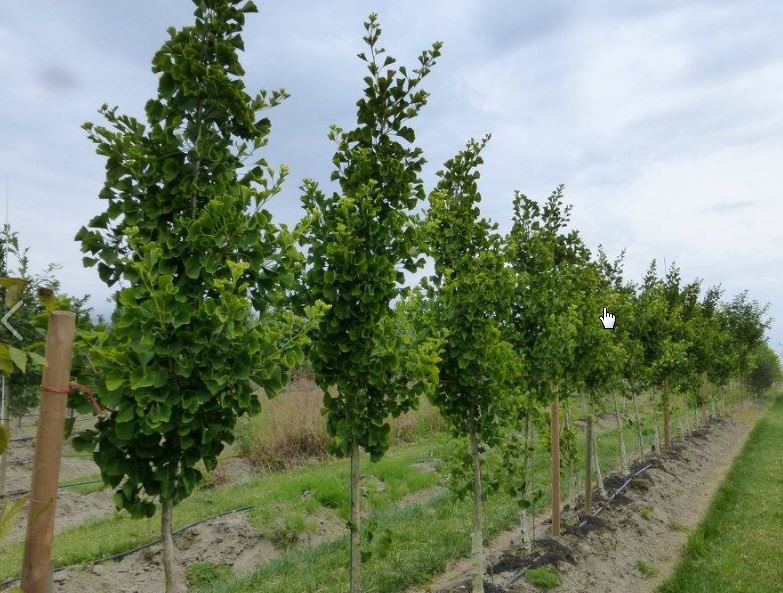
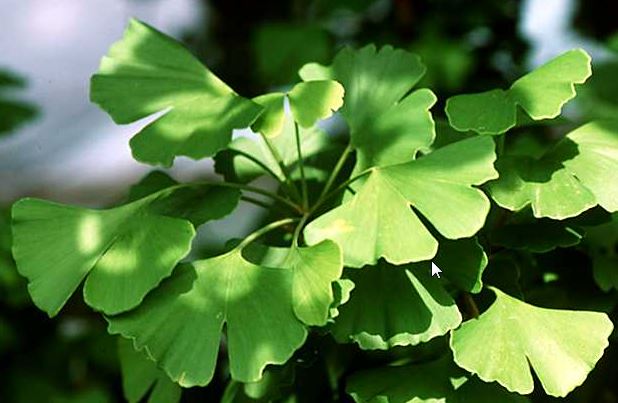
If you have seen a Ginkgo tree in the fall, you will never forget it. There is no brighter yellow fall color and the leaf shape is like no other. So why are there not more? Although reasonable to grow and transplant they can be stinkers to get re-established. Ginkgos also prefer the hotter summer temperatures of the south and mid-west, probably why they are so slow growing here in the Pacific Northwest. Once established, though, they can live for generations, some are said to be over 1000 years old. And they have a rich history. Fossils were found of the ginkgo leaf from over 65 million years ago, a good reason why they have virtually no disease or insect problems.
In youth, they can be crooked, gangly, and unbalanced, and possibly why we see so few as street tree plantings. In production, they can be equally frustrating to develop into an attractive form, especially in youth and into several that match. But over time, we see they became impressive specimens, even if a little odd or unique in structure.
Ginkgo leaves have been valued for medicinal and other natural joys and health improvements. College towns report finding it hard to keep green leaves on some of their trees. Another challenge of the ginkgo is said to be the fruit of the females. Ripe and fallen, they can have a dreadful smell. I have heard however, there is little chance of a fruit ripening enough here in the Pacific Northwest to worry about that happening. And it may be 45 years before any fruit are set on the tree. Those of you east of the Cascades should take note. In any case nearly all cultivars are selected for them first being male, so they will be fruitless.
An Arborists dream tree, they are salt and pollution tolerant and will grow in the most inhospitable places, but prefer a respectable amount of drainage and moisture. Their wood is strong but flexible, another great urban tree attribute. I was also told they will tolerate a high rate of fertilizer. They really should be grown more in the city, if we could just give them enough time to fully develop.
Ginkgo cultivars are many and in some cases hard to decipher. The most popular are ‘Autumn Gold’, ‘Fastigiata’, ‘Maygar’, ‘Princeton’ and more recently ‘The President’. There are many others, with differences in form, branch direction, leaf color, leaf shape and ultimate size. Do your research.
You cannot go wrong. Let me know your favorite cultivars and any unique experience you have with the ginkgo.
CLICK HERE FOR MORE TREE PROFILES
Jim Barborinas
Owner of Urban Forest Nursery, Inc.
ISA Certified Arborist #0135
ASCA Registered Consulting Arborist #356
15119 McLean Rd.
Mount Vernon, WA 98273
jim@urbanforestnursery.com
This tree has been selected by Great Plant Picks for outstanding performance in Pacific Northwest landscapes.
Still curious how Ginkgo performs in landscapes or urban planting?
Here are some common questions we hear from people considering this tree:
Ginkgo biloba typically grows into a large tree with mature heights often in the range of about 50 to 80 feet and spreads of roughly 30 to 40 feet when given room to develop. Some narrower cultivars, like Princeton Sentry® or Golden Colonnade®, mature closer to 40 to 45 feet tall with a more columnar profile. Growth is generally slow in early years and steadies as the tree matures.
Ginkgo is one of the most unique trees you can plant — it’s a living fossil with fan-shaped leaves unlike anything else in the landscape. It’s exceptionally tolerant of urban stressors, nearly pest-free, and long-lived. The foliage turns an unforgettable bright yellow in autumn, creating a stunning seasonal display that stands out in streetscapes and gardens alike.
Yes — once established, Ginkgo handles tough urban conditions extremely well, including pollution, salt, compacted soils, and heat. Its strong wood and adaptable nature make it a reliable choice for boulevards, parkways, and other urban corridors. Many of the male cultivars used in nursery production are chosen specifically to avoid messy fruit production in city settings.
Absolutely — Ginkgo brings dramatic fall color with its bright golden leaves that persist and then drop all at once, creating a striking carpet of color. Its distinctive foliage and branching form also add visual interest through spring and summer.
Ginkgo establishes best when given well-drained soil and adequate moisture in the early years. Young trees can appear a bit slender or uneven and benefit from gentle staking until they’ve developed a strong leader. Once settled, they are low-maintenance, long-lived trees that require minimal care.